
The 10 Essentials: Hydration

While a comprehensive packing list depends on many factors, certain outdoor gear is considered essential whether you’re heading off on an extended backcountry bushwhack or exploring the trails in your local woods. As part of a weekly series, here's a look at outdoor essential number nine:

#9. Hydration (extra water)

Carry enough water per person and know where water sources are located on your route. A general rule of thumb is to have 3 to 4 liters (or 1 gallon) of water per person per day. The amount of water needed varies widely though, based on factors like temperature, humidity, and personal fitness and exertion levels.

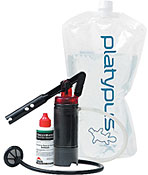
Water availability is another factor. A water filter, purifier or chemical treatment (like iodine tablets) will allow you to treat water on the trail and carry less on your back. Always treat water, even if it looks clean, unless you want to experience Giardia or other unpleasant bugs.

    Tips:

  • Drink your fill and top off water bottles before starting out from the trailhead.
  • Leave extra water in the car for your return.
  • Monitor hydration through urine output—volume, clarity, and frequency should remain normal. Clear and copious is a good sign.
  • On longer, more strenuous hikes and backpacks, sports drinks and gels help replace electrolytes.
  • Dry air dehydrates you faster in winter.
  • Have a way to melt snow for water in winter conditions.

Have tips or suggestions for this essential? Share them with us.

Read the full "10 Essentials for Backcountry Travel" article in the Gear Guide.

Permalink | Comments (4) | Save & Share
Filed under: Gear

Comments

Goat Creek
New Member
Joined: 11/1/07
Posts: 4
July 16, 2008 at 4:28 p.m. (EDT)

Once, in hundred degree weather, I was fully hydrated while hunting. I began to feel weak, sat down and grew weaker. I drank more water. Then it occurred to me that I was salt deprived. I rarely use external salt on my meals. With no salt tablets I ran the back of my hand through my sweaty armpits and other places, licking them clean. Revival took less than ten minutes. Hence---a source of salt is essential.

 
trouthunter
Senior Member
Joined: 5/22/08
Posts: 1550
July 16, 2008 at 8:23 p.m. (EDT)

That's interesting. I thought that was a military secret.

 
collectivethought (guest)

a.k.a. Chad
July 17, 2008 at 2:24 a.m. (EDT)

Goat Creek had a good point. While water is very important, you also loose a lot of sodium and other electrolites through sweating. You should always have a means of replacing these electrolites, plus stocking up on them in advance of a trip isn't a bad idea.

drink quite a bit of sports drinks--such as Gatorade--during the days before a planned trip. Make water your primary beverage during the excursion, then back to the sports drinks afterwards. Make sure that you have some salty foods with you during a trip...or at least salt tablets.

 
Prayerhiker
Junior Member
Joined: 5/18/06
Posts: 5
July 17, 2008 at 4:08 a.m. (EDT)

Even for a simple day hike, you never know the dangers awaiting you, so being properly educated, and prepared will save you. If you are not a big salt user, a good source of protein and salt, nuts, like a single tube of Planters peanuts, cashews, etc. a salt added trail mix, with dried fruits and nuts. Excellent. There are numerous protein bars that have ground fruit mixed in. I like to slam down a Vitamin water and a small Gatorade. After that I drink only water. You really want to eat small amounts of trail mix and protein bars, as you go, to give a sustained energy burn. Fruit will give you minerals and calories, to assist with the upkeep of your energy. Yes it is indeed a good idea to carry small bottle of Salt and glucose tablets, especially if you are not a big table salt user.


This post has been locked and is not accepting new comments